Listen first
Your routines, priorities, and frustrations shape every recommendation.

Independent hearing care · Southwest Washington
Better hearing should help you stay connected to the voices, places, music, and moments that make life yours.

Good hearing care starts with understanding what matters to you: family conversations, music, work, the outdoors, or simply feeling less left out.
We pair careful evaluation with verification and ongoing support so the solution keeps working after fitting day.
How we approach hearing careInsurance
Hearing coverage differs quite a bit from plan to plan. Bring your plan information to your visit and we will walk you through what it covers and what your options are.
Benefits and coverage are set by your plan, not by Medicare Hearing, and can change.
Hearing is only the beginning
A hearing test tells us what you can detect. Real life asks something harder: can you follow speech in a restaurant, a car, a group, or across a busy room?
Speech clarity, background noise, how both ears work together, and how the brain processes sound all matter. Our goal is not simply louder sound—it is more useful hearing.
Tell us where listening is difficult
A more thoughtful standard
Your routines, priorities, and frustrations shape every recommendation.
Real-Ear Measurement shows how the devices actually perform in your ears.
Adjustments, cleanings, troubleshooting, and education continue after fitting day.
Why fitting quality decides the outcome
Hearing aids are programmed from a prescription, but the prescription is a starting point. What actually reaches your eardrum depends on the shape and size of your ear canal, which is different in every person. Fitting software predicts that. It does not measure it.
Real-Ear Measurement puts a thin probe microphone in your ear alongside the hearing aid and measures what is genuinely being delivered while you listen. Then we adjust to the target based on that measurement.
Without it, a device can be set well below or above what you need and still seem fine in a quiet room. That is the fitting people describe as technically working but not helping in a restaurant.
This is the difference between buying a hearing aid and being fitted with one. It is also most of what you are paying for when you choose a clinic over a warehouse or a website.
How we can help
A careful assessment with results explained in practical, everyday language.
Objective verification of how hearing aids actually perform in your ears, followed by precise fine-tuning.
Device selection, individualized programming, education, adjustments, cleanings, and long-term support.
Help making sense of Medicare, private insurance, and hearing-aid coverage questions.
Solutions for music, performance, hunting, shooting, work, and custom hearing protection.
Convenient on-site hearing support for participating retirement and senior-living communities.
Patient experiences
Independent reviews are often the clearest way to understand what receiving care at Medicare Hearing is actually like.
Hearing technology
We work across trusted manufacturers and recommend technology because it matches your hearing, comfort, connectivity, and lifestyle needs.
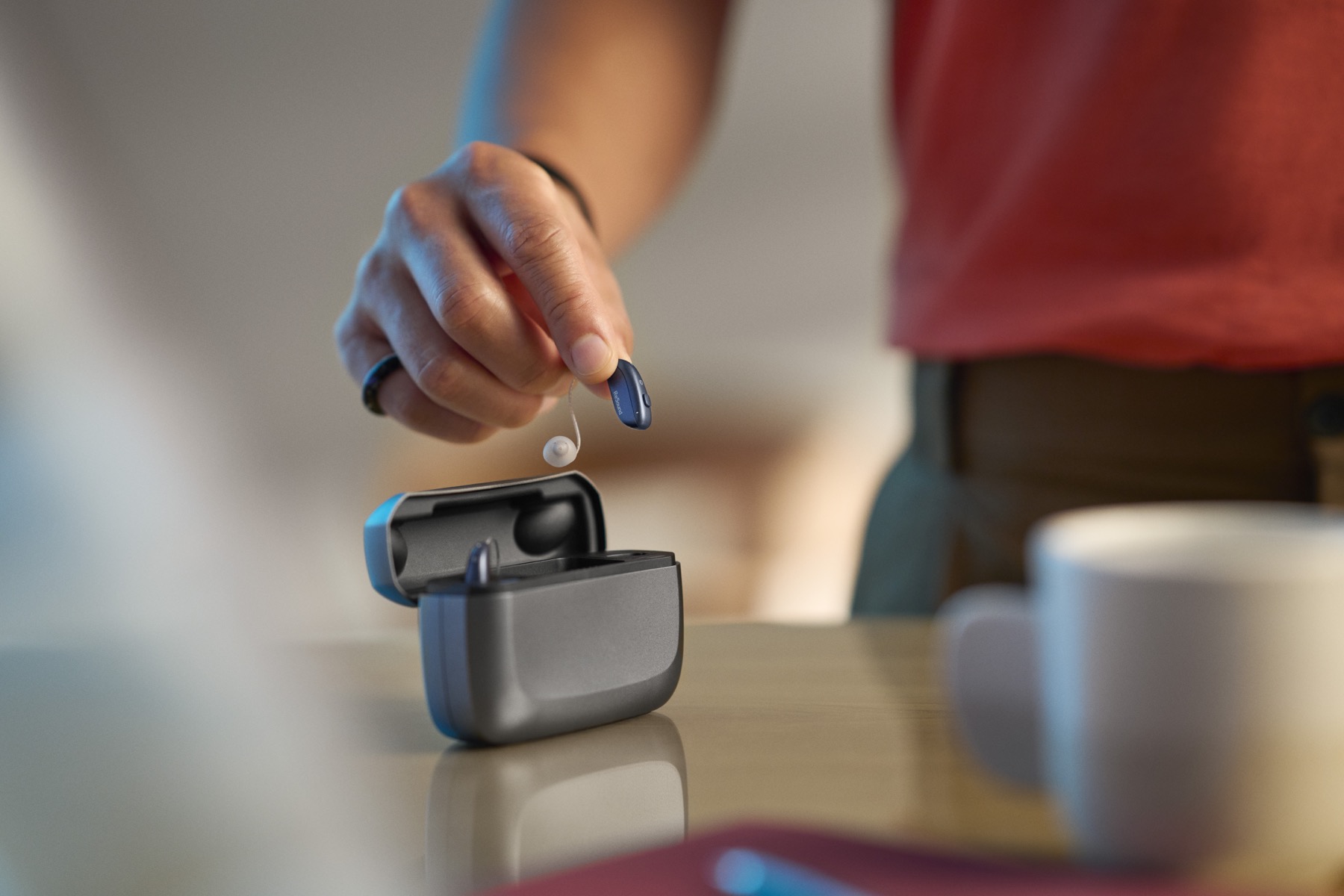
Compact rechargeable designs with modern Bluetooth connectivity for conversation, calls, and streaming.
Ask whether Vivia fits your needs →Adaptive technology designed to bring speech forward while reducing competing background noise.
Ask whether Sensia fits your needs →
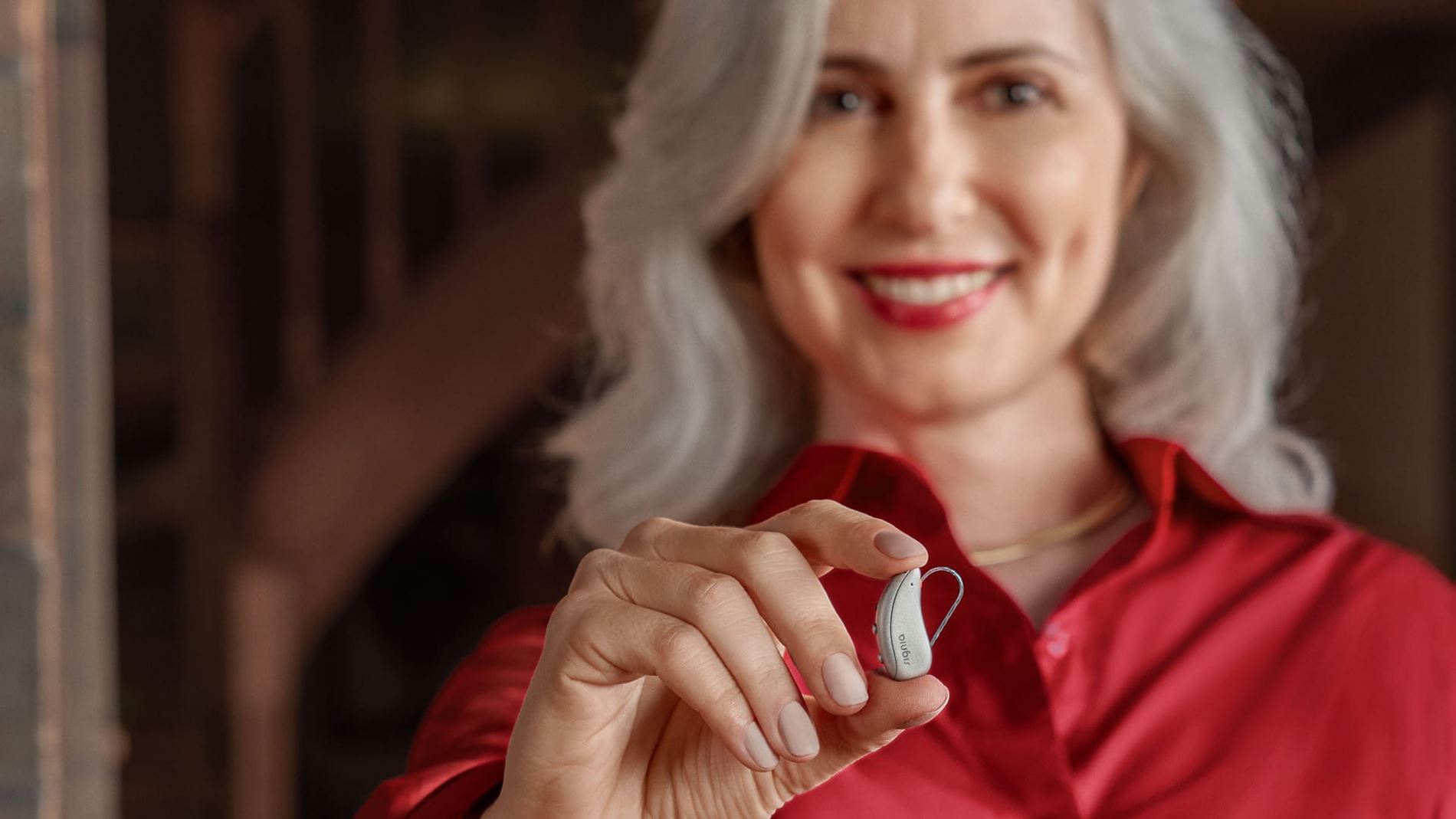
Rechargeable designs built around everyday conversation, with streaming for calls and media, in a form most people stop noticing within a week.
Ask whether Signia fits your needs →





Research library
Plain-language summaries, careful claims, and direct links to the underlying research.
Hearing loss is associated with cognitive decline in observational research. Randomized evidence is more nuanced, so hearing aids should not be presented as a guaranteed way to prevent dementia.
Age-related hearing loss has been associated with depression and social isolation. Hearing rehabilitation may improve social quality of life, while mental-health concerns still deserve their own professional care.
Randomized trials support improvements in listening ability, participation, and hearing-related quality of life for adults with mild-to-moderate hearing loss.
Quality self-fitting devices can help selected adults with perceived mild-to-moderate loss. Professional care adds evaluation, individualized programming, verification, and follow-up—and can address a broader range of hearing needs.
Hearing care supports communication and participation. It is not a substitute for medical or mental-health care. Sudden or one-sided hearing changes, ear pain or drainage, marked dizziness, or other warning signs should be medically evaluated.
Your next step
We'll listen first, evaluate carefully, and explain your options clearly.